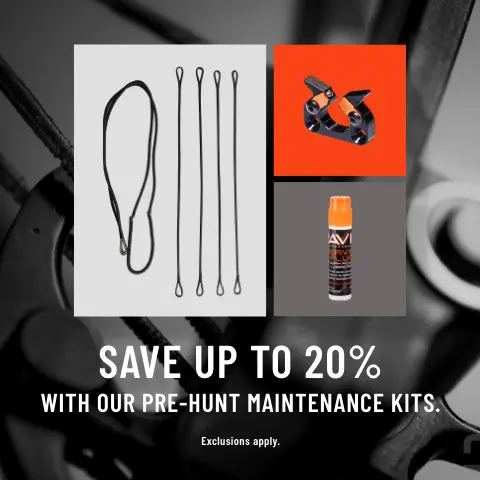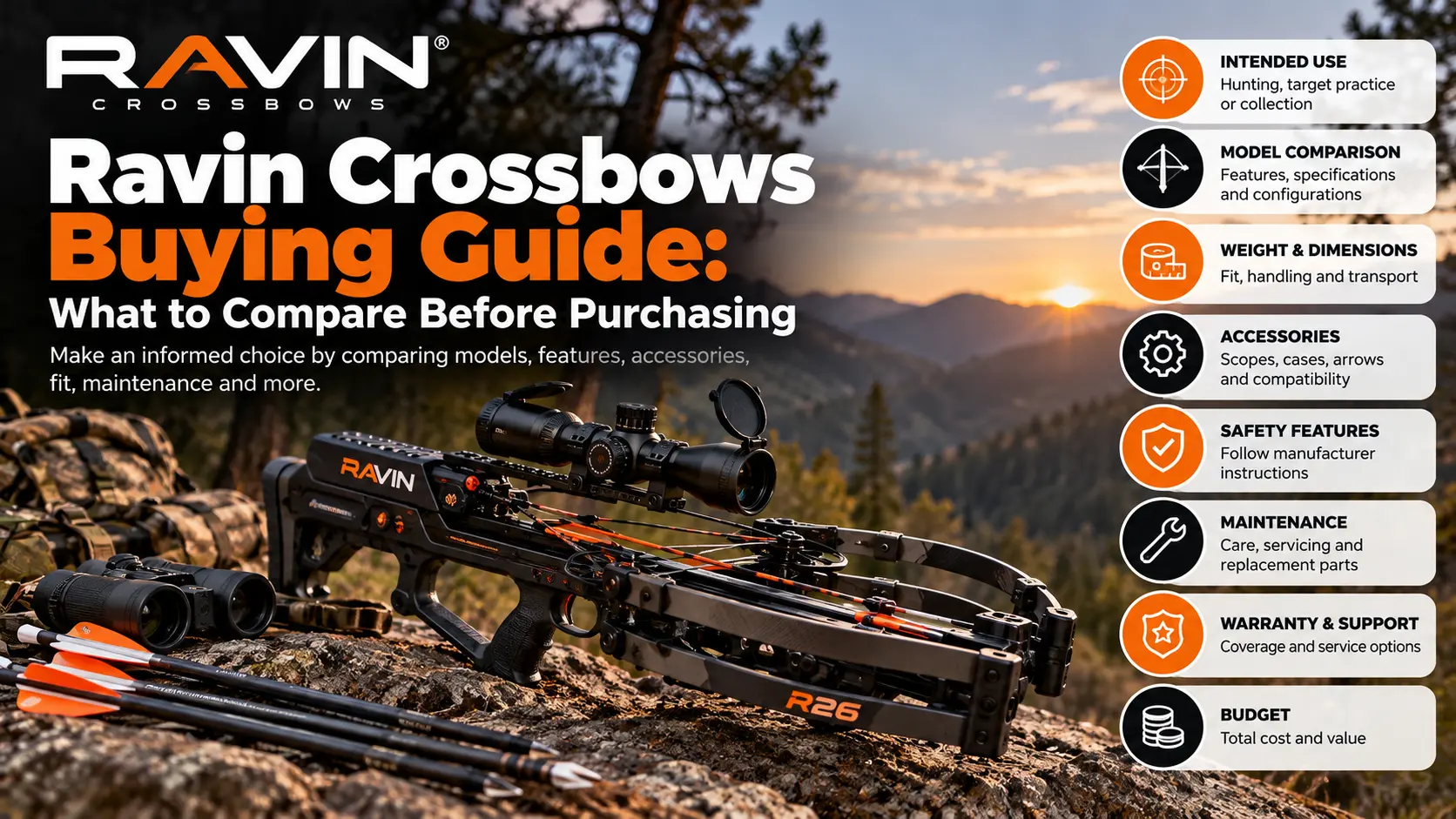
Proper crossbow maintenance and storage help protect your equipment, preserve its condition, and support responsible ownership. Whether you are researching your first crossbow or already own one, understanding the manufacturer's care instructions is an important part of choosing and maintaining your equipment.
This beginner's guide covers routine visual inspections, manufacturer-approved care, secure storage, transport considerations, and when to seek professional servicing.
Affiliate disclosure: This article contains affiliate links. If you make a qualifying purchase through these links, we may earn a commission at no additional cost to you.
Why Crossbow Maintenance Matters
Crossbows contain specialised components that must work together as designed. Wear, damage, improper storage, or the use of unsuitable maintenance products may affect their condition and safe operation.
Following the manufacturer's instructions can help you understand which checks are appropriate for your model, which products are approved for care, and when professional attention may be necessary.
Good maintenance habits include:
- Reading the owner's manual before performing maintenance.
- Inspecting equipment visually for obvious damage or unusual wear.
- Using only manufacturer-approved care products.
- Keeping the equipment clean and stored appropriately.
- Following the manufacturer's inspection and servicing recommendations.
- Seeking qualified assistance if something appears damaged or abnormal.
Maintenance requirements can differ between models. Never assume that instructions for one crossbow apply to another.
1. Read the Manufacturer's Instructions First
The owner's manual should be your primary reference for maintaining your crossbow. It provides model-specific information that general online guides may not cover.
Before performing any maintenance, identify your exact model and review its instructions for:
- Routine inspection and care.
- Approved cleaning and maintenance products.
- Inspection intervals and servicing requirements.
- Components that require professional attention.
- Storage and transport recommendations.
- Warranty terms and service options.
If you own or are researching a Ravin Crossbows product, consult the official website at https://ravincrossbows.com/ and locate the documentation applicable to your particular model.
If the manual is unavailable or you are unsure about a maintenance requirement, contact the manufacturer or a qualified service provider rather than guessing.
2. Perform Routine Visual Inspections
Routine visual checks can help you notice obvious problems before they become more serious. Follow the inspection guidance in your manufacturer's manual and do not disassemble or adjust components unless the instructions specifically permit it.
Look for visible signs such as:
- Cracks, deformation, or other apparent structural damage.
- Unusual wear or deterioration.
- Loose or missing external parts.
- Signs of corrosion or damage caused by moisture.
- Damage to the case or storage equipment.
- Any condition identified in the owner's manual as requiring attention.
If you notice damage, unusual wear, or anything you cannot confidently assess, stop using the equipment and seek advice from a qualified professional.
Do not attempt to repair safety-critical components without the appropriate training and manufacturer guidance.
3. Use Only Approved Maintenance Products
Using the wrong cleaning or maintenance product can damage materials or interfere with components. General-purpose household cleaners and lubricants should not be assumed suitable.
Before purchasing a maintenance product, check whether the manufacturer approves it for your exact model and intended use.
Pay attention to:
- Product compatibility.
- Manufacturer warnings and restrictions.
- Instructions for the specific component.
- Storage and handling requirements for the maintenance product.
- Possible effects on warranty coverage.
Follow the product instructions carefully. If you cannot determine which product is appropriate, ask the manufacturer or an authorised service provider.
4. Understand When Professional Servicing Is Needed
Some maintenance tasks require specialised knowledge or equipment. Trying to correct a problem without understanding the mechanism can create additional damage or a safety risk.
Seek professional assistance if you notice:
- Cracks or suspected structural damage.
- Unusual noises or changes in normal operation.
- Components that appear loose, bent, or damaged.
- Deterioration that the owner's manual identifies as a concern.
- A suspected problem with a safety-related mechanism.
- Any issue that the manual says requires inspection or service.
Do not continue using equipment that may be damaged. Avoid improvised repairs or adjustments, particularly to components under tension or other safety-critical mechanisms.
Ask the service provider about inspection procedures, replacement parts, warranty implications, and expected costs before authorising work.
5. Choose a Suitable Storage Location
Storage conditions can affect the condition of your equipment over time. Follow the manufacturer's recommendations for temperature, humidity, and protection from environmental exposure.
A suitable storage arrangement should help protect the equipment from:
- Excessive moisture and corrosion.
- Direct exposure to harsh environmental conditions.
- Dust and accidental impact.
- Unauthorised access.
- Damage caused by unsuitable storage materials.
Keep the equipment in a secure location and follow all applicable laws and manufacturer instructions.
Secure storage is especially important in homes with children or other people who should not have access to the equipment. Use appropriate locked storage and ensure that unauthorised individuals cannot access it.
6. Use a Suitable Protective Case
A compatible protective case can help reduce exposure to dust, accidental impacts, and other sources of damage during storage and transport.
When comparing cases, consider:
- Compatibility: Confirm that the case is suitable for your exact model.
- Protection: Review the materials and protective features described by the manufacturer.
- Fit: Check the published dimensions and product compatibility information.
- Durability: Consider the construction, closures, and intended frequency of use.
- Storage conditions: Follow the equipment and case manufacturers' recommendations about moisture and long-term storage.
Do not force equipment into a case that does not fit properly. Check that the case is suitable for the intended purpose and follow all relevant storage and transport requirements.
For accessory compatibility considerations, read our guide to crossbow accessories, which covers protective cases and other accessory categories.
7. Follow Responsible Transport Practices
Transport requirements differ by location and circumstance. Before travelling with a crossbow, check the laws and regulations that apply to your route and destination.
Follow the manufacturer's transport instructions and use suitable protective storage. Keep the equipment secured against unauthorised access and avoid arrangements that could expose it to damage.
If you are travelling across state or national borders, check the applicable requirements in advance. Do not assume that rules in one location also apply elsewhere.
Where a carrier, transport provider, or venue has additional restrictions, confirm those requirements before travelling.
8. Check Warranty and Service Conditions
Maintenance and repair decisions can affect warranty coverage. Before arranging work or purchasing replacement components, review the warranty terms for your exact model.
Check:
- Which parts and types of damage are covered.
- Whether there are exclusions for improper maintenance or unauthorised modifications.
- Whether servicing must be completed by an approved provider.
- How to request warranty support.
- Whether proof of purchase or product registration is required.
Keep purchase records and relevant service documents together. If a problem develops, these records can make it easier to explain the issue and determine the appropriate next step.
9. Create a Simple Maintenance Record
A maintenance record can help you keep track of inspections, service visits, and warranty-related information.
Consider recording:
| Record | Information to keep |
|---|---|
| Product details | Model and identifying information |
| Purchase details | Purchase date and receipt |
| Inspections | Date and observations |
| Professional servicing | Service date and provider |
| Replacements | Parts replaced by a qualified provider |
| Warranty | Coverage details and relevant documents |
Use the manufacturer's recommended inspection and service schedule rather than relying on a generic timetable. A written record can also help you identify recurring concerns and discuss them with a service professional.
10. Where to Find Ravin Crossbows Information
If you are considering a Ravin crossbow, start by comparing the available models, published specifications, included accessories, warranty information, and manufacturer support.
You can explore available product options through this link:
Explore Ravin Crossbows and available product options
This is an affiliate link. Product availability, pricing, package contents, and terms may change, so confirm the current details before making a purchase.
We are an independent information website and are not the official Ravin Crossbows website.
Frequently Asked Questions
How often should a crossbow be inspected?
Follow the inspection schedule in the owner's manual for your exact model. Also consult the manual whenever you notice a change in condition or have concerns about damage.
Can I use any lubricant or cleaner on a crossbow?
No. Use only products approved or recommended by the manufacturer for the intended component. If you are unsure, ask the manufacturer or a qualified service provider.
Should a crossbow be kept in a protective case?
A suitable case can help protect equipment from dust and accidental impacts. Follow the manufacturer's storage recommendations and make sure the case fits the specific model.
What should I do if I notice damage?
Stop using the equipment and consult the manufacturer's instructions or a qualified service provider. Do not attempt an improvised repair, particularly if the issue involves a safety-critical component.
Can improper maintenance affect a warranty?
It may. Warranty terms vary, and some exclude damage caused by improper care, unauthorised modifications, or unapproved servicing. Review the terms for your exact product.
Where can I find model-specific maintenance information?
Start with the owner's manual and the manufacturer's official support resources. If the instructions do not address your concern, contact the manufacturer or an appropriately qualified service provider.
Final Thoughts
Responsible crossbow maintenance and storage begin with the manufacturer's instructions. Regular visual inspections, suitable storage, approved maintenance products, secure access controls, and professional servicing when needed can help protect your equipment and support responsible ownership.
Avoid guessing about compatibility or attempting repairs beyond your knowledge. When in doubt, consult the manufacturer or a qualified professional.
If you are still comparing products, start with our Ravin Crossbows buying guide, read how to compare crossbow models, weight and dimensions, and review our guide to crossbow accessories before making your decision.